A Detective in Search of Hidden Value
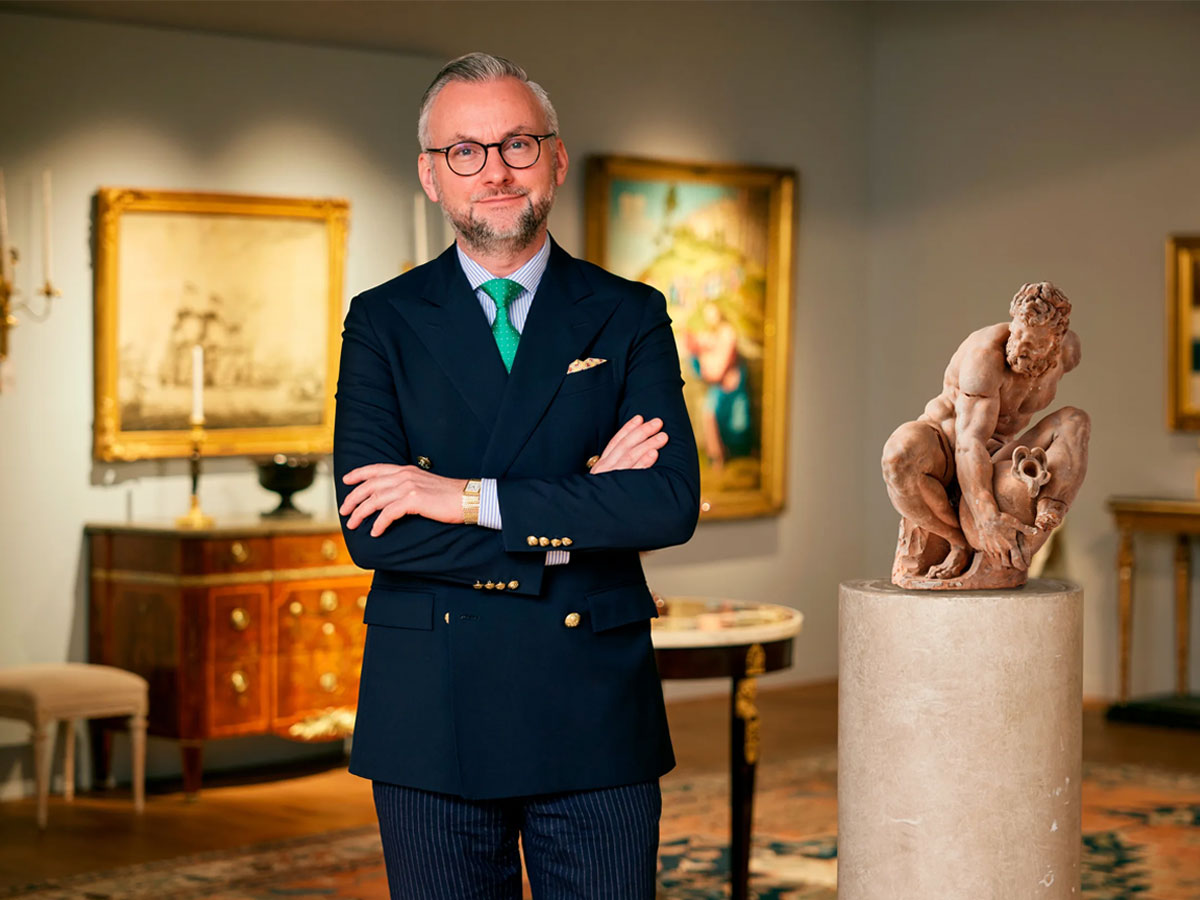
It often begins with a feeling. An object that stands out, something that cannot quite be explained at first glance. For Markus Anderzon, a specialist in fine art, classical furniture and antique decorative arts at Stockholm Auktionsverk, that is precisely where the work begins – in the pursuit of the story behind the object.
“Quite often you can sense straight away that there is something more,” he says. “And then I don’t let it go until I know what it is.”
His interest in art and history was sparked early. At the age of 15, Markus faced a choice: a video cassette recorder or a dusty portrait of Charles XI from a country auction. He chose the painting.
Perhaps not the most obvious choice for a teenager, but in hindsight it proved decisive. The portrait still hangs in his home – a reminder of where it all began.
A path into the auction world
After studying art history, building conservation and visual communication, Markus made his way into the auction world. At Stockholm Auktionsverk, he learned the profession from the ground up – from viewings and client meetings to valuations and specialist responsibilities.
It was a practical education, where theory constantly met reality.
“At university you studied the artworks. Here, you got to work with them.”
When the hammer falls – and history is made
Over the years, Markus has been involved in several significant sales. One of the most memorable moments was the auction of Sommarnöje by Anders Zorn.
The painting had been valued far below the final price it ultimately achieved. Bidding rose rapidly, with million-krona increments following one another in quick succession. When the hammer fell, a new chapter in Swedish auction history had been written.
“You couldn’t mistake the energy in the room. Everyone understood that this was something unique.”
A year of research
But it is not only the drama of the auction room that drives him. Rather, it is the time beforehand – the slow, methodical work.
A clear example is the sculpture River God by Johan Tobias Sergel. When it surfaced, it was missing both an arm and a leg, and its history was unknown.
Through archival studies and careful research, Markus was able to link the work to Sergel’s time in Italy in the 18th century. The sculpture, long thought lost, regained its place in history.
“I spent almost a year trying to understand what we had in front of us.”
When it finally went under the hammer, it attracted international interest – and achieved a price far beyond what anyone had initially imagined.
More than just objects
Today, perceptions of art and antiques have changed. It is no longer enough for an object to be beautiful or well made – its history plays an increasingly important role.
Provenance, ownership records and historical context have become crucial factors. For many buyers, it is about more than just an object – it is about becoming part of a story.
“In a time when so much is fast and fleeting, there is something special about owning something that has existed for several hundred years.”
Curiosity as a driving force
Despite many years in the field, it is still curiosity that drives Markus forward. His days alternate between quick valuations and hours spent in archives and literature. And there is always another discovery waiting around the corner.
“Every time you think you’ve seen it all, something even more remarkable appears.”
Markus lists three favourites:
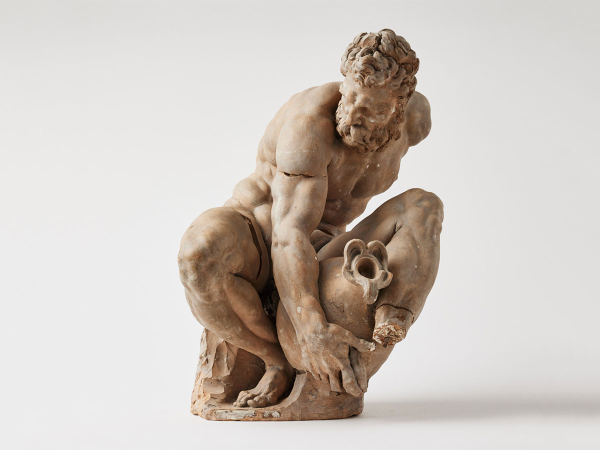
River God – rediscovered terracotta
“To be able to restore a work to history is one of the most rewarding aspects of my job.”
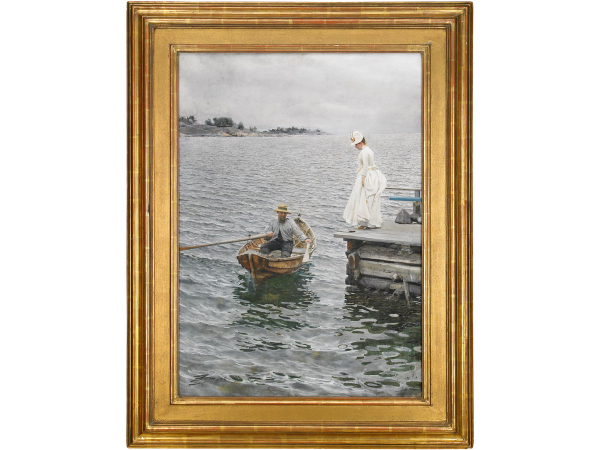
Sommarnöje – Swedish art of world-class calibre
“That was one of those moments when you realise you are witnessing something that won’t happen again.”
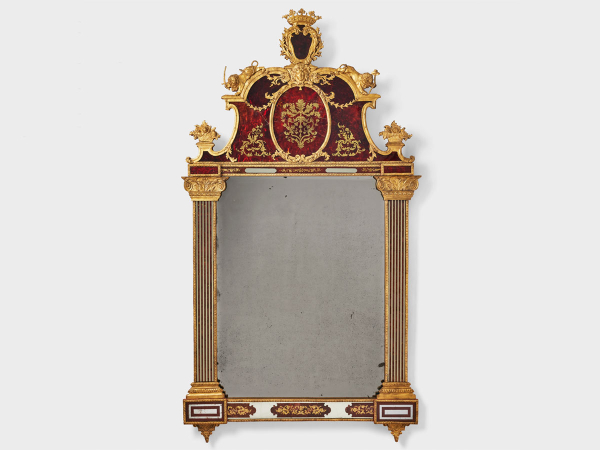
The Sturefors Mirror – Carolean Baroque in refined form
“A mirror with such presence and historical dignity is rare – it tells more than first meets the eye.”
Contact