The Vega Collection achieves SEK 25 Million in historic landmark sale
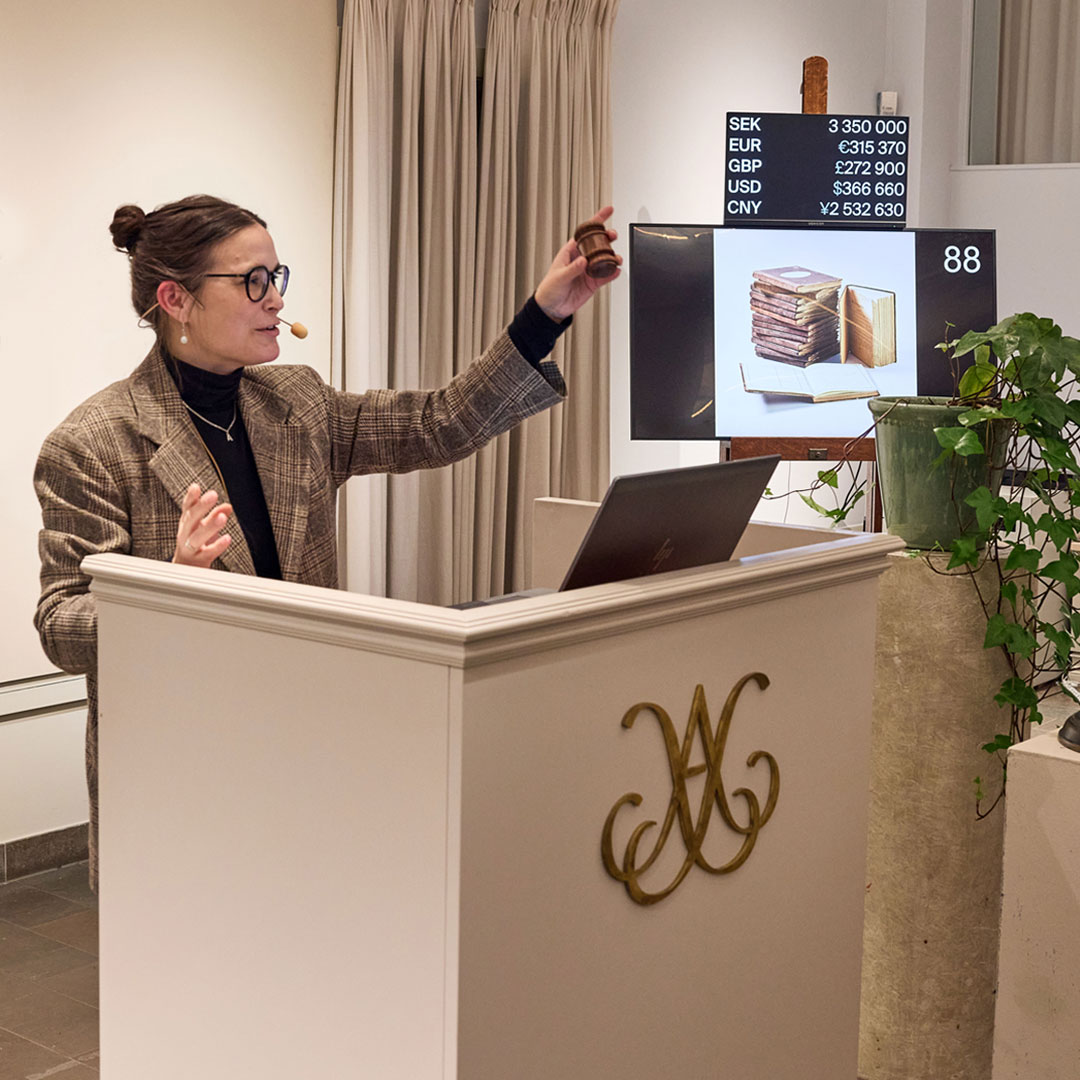
Stockholms Auktionsverk’s much-anticipated auction of the Vega Collection delivered outstanding results, achieving a total of just over SEK 25 million — more than 500 percent above the pre-sale estimate. All 304 lots sold, resulting in a white glove sale on Tuesday night. Buyers were predominantly Swedish institutions and private collectors, ensuring that the core of this remarkable cultural heritage will remain in Sweden.
“This is an auction that will truly go down in history. The result is exceptional, and the Vega Collection now begins a new chapter in private collections and museums, where it will be preserved and appreciated,” says Karl-Magnus Törnros, Chief Specialist at Stockholms Auktionsverk.
Preserved within the family of Vega captain Louis Palander for more than a century, the collection comprises diaries, logbooks, photographs, nautical charts and correspondence documenting one of the greatest achievements in Swedish exploration history. Together, the materials offer a unique insight into the Vega Expedition, which between 1878 and 1880 completed the first successful navigation of the Northeast Passage — an achievement that placed Sweden firmly on the global map of exploration.
Four exceptional lots achieved seven-figure prices during the sale. Captain Louis Palander’s diary from the Vega Expedition sold for SEK 4,437,500, while the expedition’s deck logbooks realised SEK 4,187,500. Palander’s archive relating to the planning of the expedition sold for SEK 3,500,000, and a photographic album by expedition physician Axel Enwall — one of the pioneers of Swedish Arctic photography — achieved a final price of SEK 1,375,000.
“Presenting collections of this calibre is central to Stockholms Auktionsverk’s role as both an intermediary and a centre of expertise,” says Karl-Magnus Törnros. “This auction demonstrates how we can give historically significant material new life, connect it with the right buyers, and at the same time ensure that cultural heritage is preserved for future generations.”
Contact


Currently

More on us