Charlotte Elmér on the Hidden World of Jewellery and Timeless Elegance
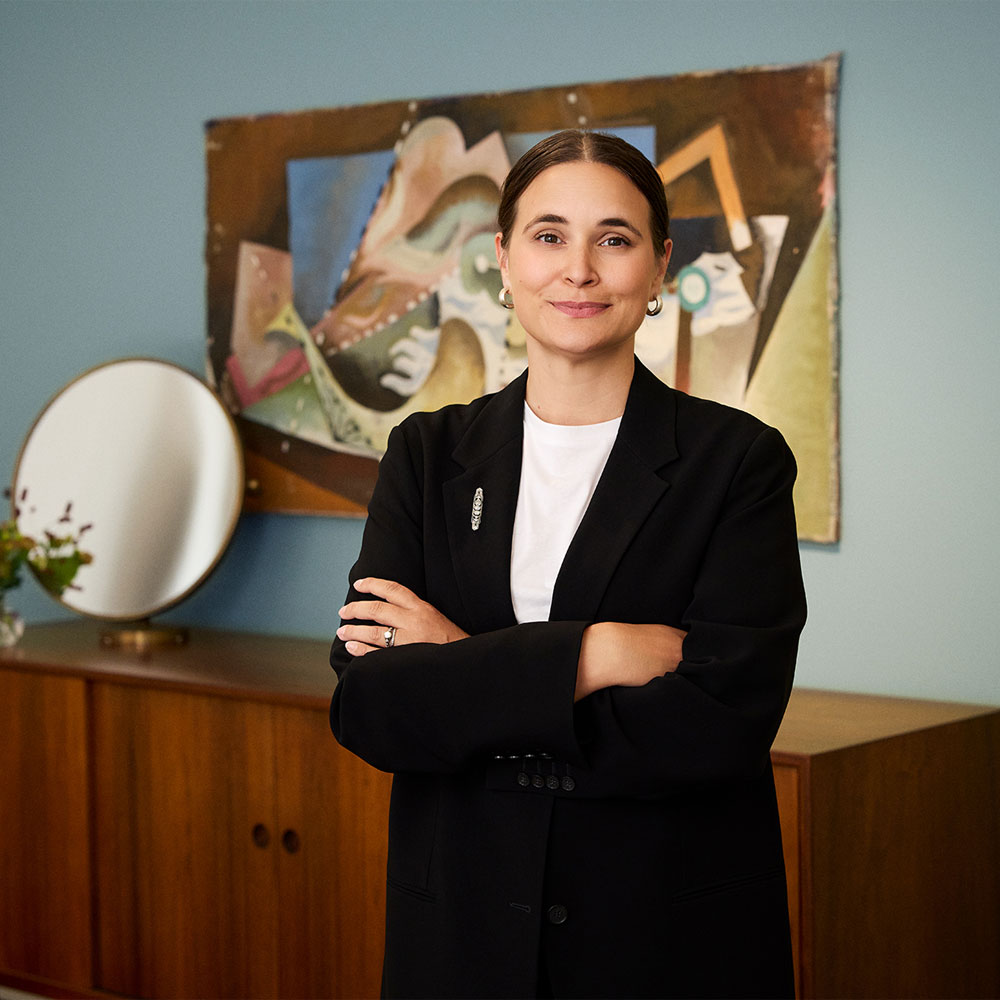
With over fifteen years as a jewellery specialist, Charlotte Elmér knows that not everything that glitters is gold. Sometimes, the subtlest details hold the greatest surprises.
“Jewellery has a depth that few are aware of,” says Charlotte Elmér, Head of the Jewellery and Applied Arts Department at Stockholms Auktionsverk.
When Charlotte takes a piece of jewellery in her hand, she always turns it over and examines the back. Not because the front isn’t beautiful—quite the opposite—but often that’s where the story begins.
“On the back, I can quickly see the materials, hallmarks, and, above all, the craftsmanship. A well-made piece of jewellery is carefully finished on every side,” she explains.
A Passion Born Early
Her interest in art and antiques began at a young age. Visits to museums with her mother, a history teacher, became a natural part of her upbringing.
“It was never a question of whether I would work with art and history, but how,” Charlotte says.
At just 20 years old, she began working part-time at an auction house and immediately fell in love with the industry.
“Unlike a museum, where you view objects from a distance, here I could touch them, feel the materials, and even sit in the furniture. I loved that closeness.”
Jewellery – Art, Design, and History in One
Studies at Sotheby’s Institute of Art led her to an English auction house. It soon became clear that jewellery holds the same status as paintings and furniture, and Charlotte chose to specialise in this field.
“For me, it also became clear that jewellery contains everything: art, design, and history, spanning all eras. By focusing on jewellery, I didn’t have to choose—I could have it all.”
Jewellery Requires Patience and Sensitivity
Charlotte enjoys the variety in her work. One day might involve travelling to Milan to collect pieces; the next, hours spent with a loupe and old reference books.
“Many people think the job is glamorous, but it’s often both physically demanding and messy. At the same time, it’s social. Jewellery is often personal, and my role is crucial—clients need to feel that their pieces are cared for in the best possible way.”
When History Changes Everything
Some of the pieces Charlotte remembers most vividly have strong historical connections, such as a pair of large pear-shaped pearl earrings traced back to Princess Amalia of Bavaria, mother of Queen Josefina of Sweden.
“The starting price was 200,000–300,000 SEK, but they sold for nearly 2.2 million. I will remember the entire experience forever,” says Charlotte.
Even jewellery with modest material value can surprise when its story is revealed. An 19th-century silver necklace with turquoise went from 6,000–8,000 SEK to 60,000 SEK thanks to its unique history.
Jewellery is Made to Be Worn
Interest in vintage jewellery is growing, particularly among younger buyers seeking something unique and sustainable. Charlotte emphasises that jewellery is meant to be worn.
“Jewellery thrives when it is worn. It is created to endure and to be appreciated.”
For those starting a collection, there are accessible options, such as simpler Empire-style pieces or 18th-century paste jewellery.
Jewellery Gets Its Own Stage
This spring, The Fine Jewellery Sale will be launched, the first time jewellery has its own dedicated auction at Stockholms Auktionsverk.
“Jewellery truly deserves its own stage. This auction highlights the very finest, where quality, craftsmanship, and history shine, while we share our knowledge.”
Charlotte sees it as a natural responsibility to pass on the expertise she has received.
“I hope to be that person for someone else, just as I had mentors who recognised my potential.”
Charlotte lists three favourites:
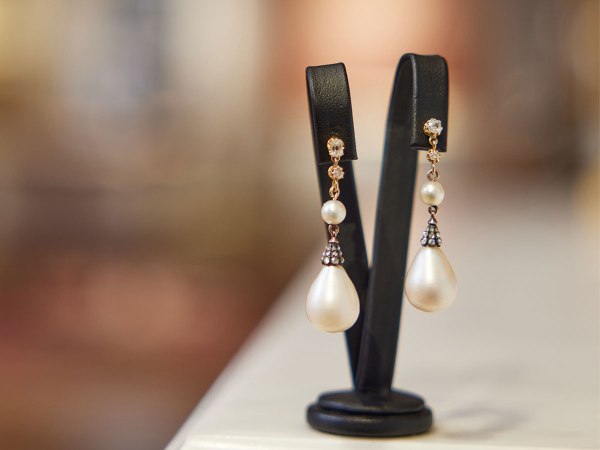
Queen Josefina’s Earrings
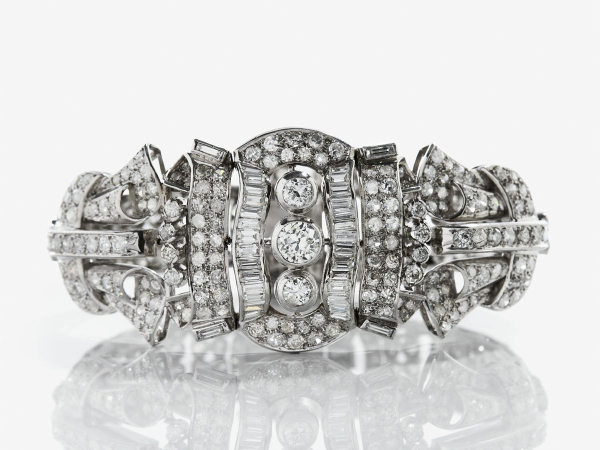
Art Déco Bracelet, 1930s–40s
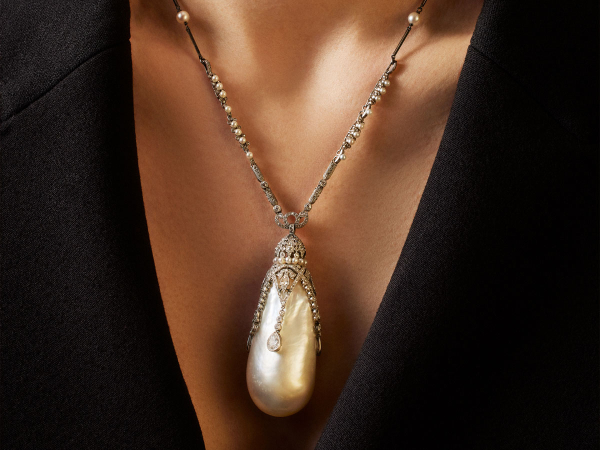
Necklace, Platinum, Belle Époque
Contact