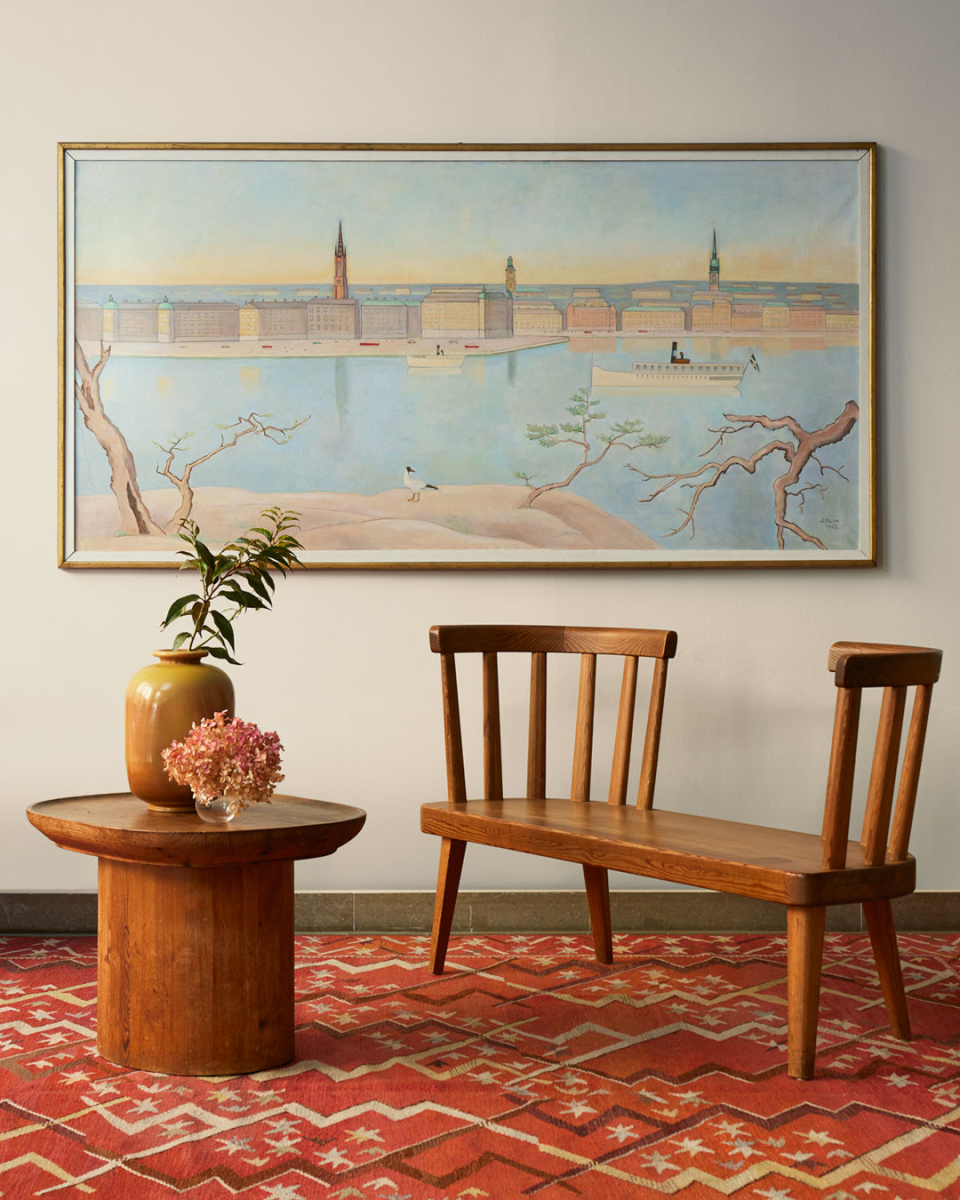
Körsbärsgården’s personal art collection at the autumn Contemporary Art Sale
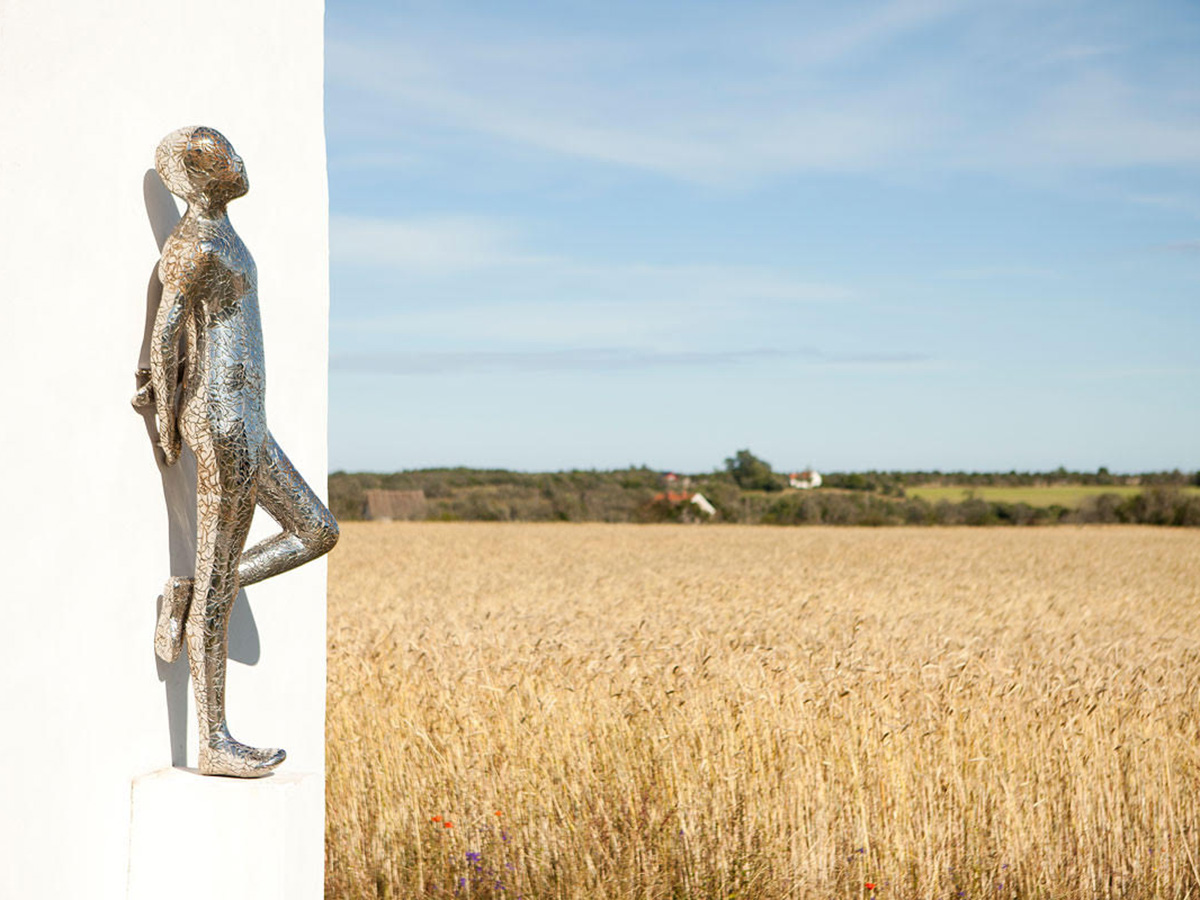
For more than 25 years, Körsbärsgården was one of Sweden’s most distinctive venues for contemporary art. More than 300,000 visitors made their way to the art space on Gotland, which in time became known as “Gotland’s Louisiana”. Now parts of the Jonssons’ personal art collection are going under the hammer at Stockholms Auktionsverk.
It all began with a move to Visby in 1979. Marita Jonsson had a long career in the cultural sector behind her, including at the Ministry of Culture, as well as board positions at the Royal Institute of Art, the Swedish Institute in Rome and the San Michele Foundation. After her appointment as county custodian of antiquities on Gotland, the island also became her home. Around the turn of the millennium, she and her husband Jon, an architect with practices in Visby and Stockholm, began to consider a new chapter. Körsbärsgården, already a well-known show garden at the time, was up for sale following the death of a previous owner.
“We thought it was a wonderful place to retire to. By then I had already written several novels and non-fiction books, and I imagined becoming a full-time writer. For my husband, there was an opportunity to develop his own architectural ideas without having a client to take into account,” Marita Jonsson recalls.
That is not quite how it turned out.
Her writing soon faced competition from a growing art programme. At first, the restaurant on the estate served as the exhibition space. But interest grew quickly, as did the ambitions. Artists with increasingly international reputations were drawn to Körsbärsgården, and the premises were extended as the activities grew. The new art space opened in 2009. It was followed by a new wing, a sculpture park, another gallery and a pavilion. What emerged was not a traditional museum. It was rather a kind of laboratory where architecture, nature and art could influence one another.
“It became a kind of obsession to create the best possible conditions for the artists. We listened to them a great deal, and we knew it was appreciated when some of them even chose to create works in our surroundings,” says Marita.
One of the clearest examples came in the summer of 2014. For ten days, the Japanese Gutai artist Sadaharu Horio and his team took over Körsbärsgården. An exhibition took shape on site, built from discarded objects from local farms and buildings. What had previously been regarded as rubbish was painted, reshaped and given a new life as art. It was precisely this kind of encounter that came to define Körsbärsgården. Here there was room for artists to work, to experiment and at times to let the place itself become part of the works. In time came the comparison with the Louisiana Museum of Modern Art in Denmark. “Gotland’s Louisiana” became a recurring epithet.
“Louisiana has definitely been a source of inspiration. We like the idea of spaces that don’t have to be traditionally museum-like. Running it as a family has naturally contributed to an open and friendly atmosphere.”
This openness was also reflected in the programme. Körsbärsgården was never a venue solely for visual art and sculpture. Author talks, live music, performance and opera took place alongside the exhibitions. At the same time, the Jonssons had a clear idea of the role their venue should play on Gotland. They therefore drew a line at Gotlandic art.
“So as not to compete with the county museum, we decided to show everything except Gotlandic art. If they show local artists, we would cover everything else happening on the international scene,” says Marita.
For more than two decades, Körsbärsgården thus served as an innovative outpost for contemporary art – far from the major institutions, yet with audiences flocking from both Sweden and abroad. But that era is now drawing to a close. After 26 years, Marita and Jon Jonsson have decided to bring the venture to an end. Summer 2026 was the last. It is a decision that has developed over time, and one the couple wanted to make while they are still active.
“We have reached what people call a mature age, and we want to finish while we are still of sound mind and can look forward to something new and exciting. But it doesn’t come as a complete surprise to our audience. We have taken plenty of time so that we could close as calmly as possible,” says Marita.
The announcement was met with strong reactions from Körsbärsgården’s audience. When visitors learned that the summer would be the last, messages and greetings arrived from people who over the years had come to regard the place as something far greater than an art space.
“Some even wrote that they will never travel to Gotland again, and others that they had built houses on Gotland just to be close to us. Declarations of love like that are, of course, deeply moving and heart-warming.”
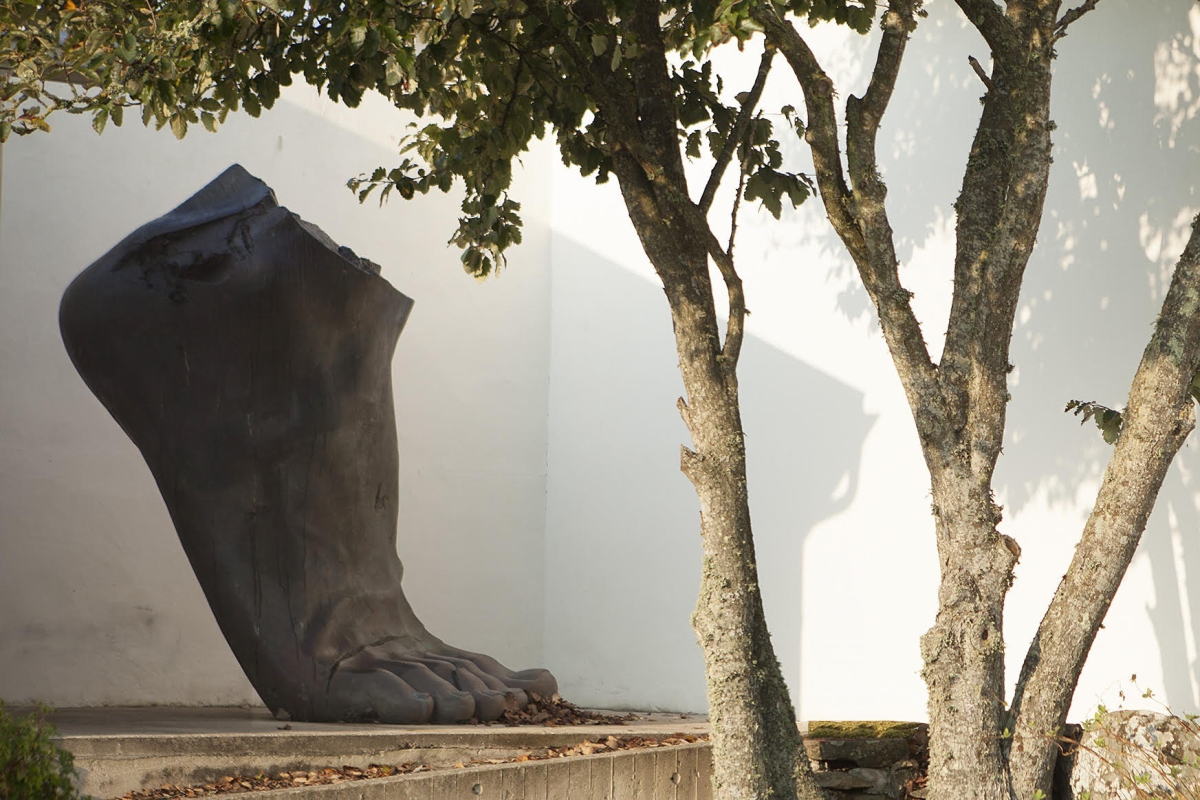
Now Körsbärsgården’s artworks are moving on. The collection, which includes monumental sculptures by Cajsa von Zeipel and Fredrik Wretman, as well as works by Maria Miesenberger, Klara Kristalova, Sivert Lindblom and Dan Wolgers, begins a new chapter as it is presented at Stockholms Auktionsverk.
Meanwhile, a different life awaits Marita and Jon. Their next address will be a spacious flat in Uppsala. And an allotment.
Might that allotment perhaps grow into a new sculpture park?
“Ha, ha. There are no such plans today, but we’ll see what happens.”
Highlights from Körsbärsgården’s art collection
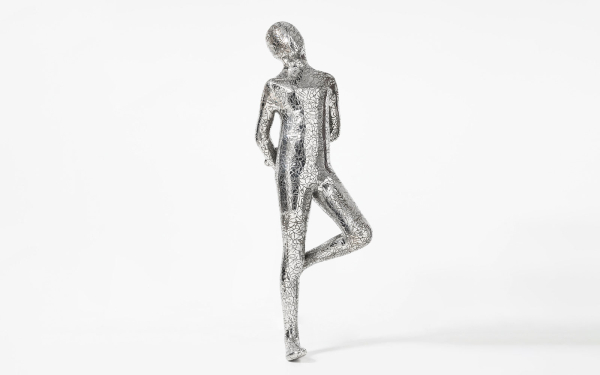
MARIA MIESENBERGER
Estimate: SEK 500,000–700,000
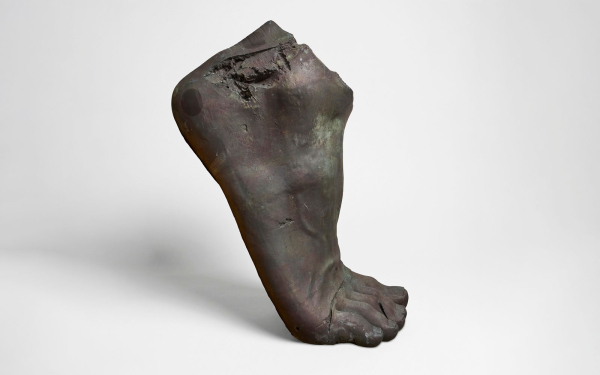
FREDRIK WRETMAN
Estimate: SEK 400,000–500,000
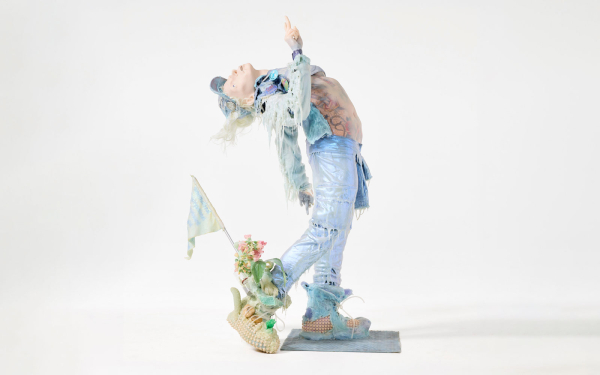
CAJSA VON ZEIPEL
Estimate: SEK 300,000–400,000
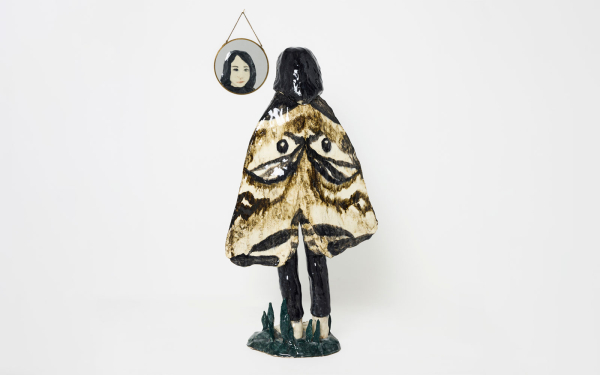
KLARA KRISTALOVA
Estimate: SEK 125,000–150,000
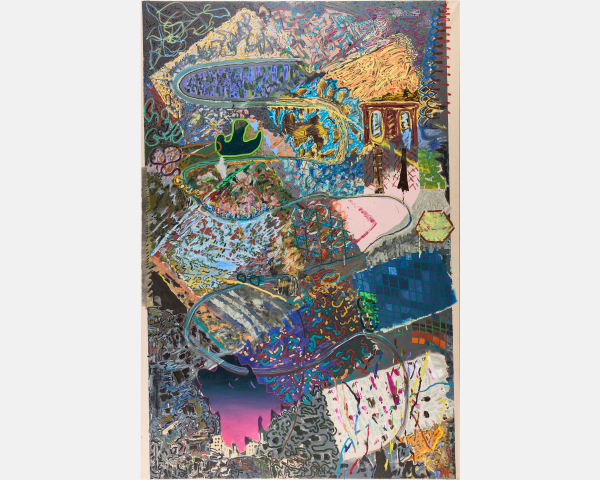
FABIAN THOLIN
Estimate: SEK 30,000–40,000
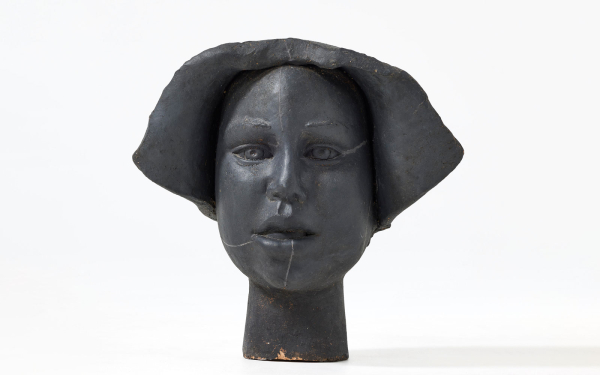
HERTHA HILLFON
Estimate: SEK 25,000–30,000
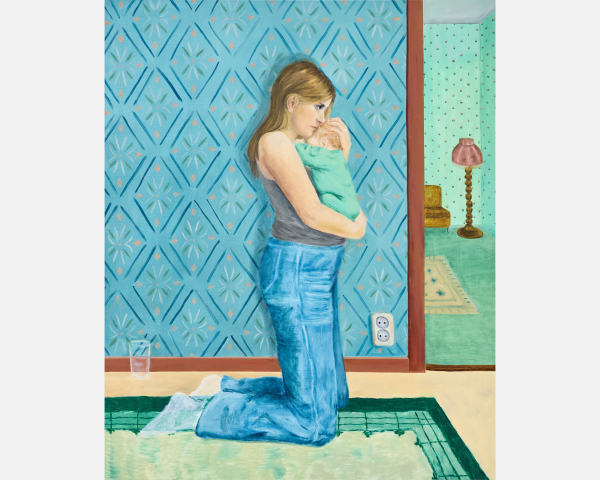
VIOLA SPARRE
Estimate: SEK 25,000–30,000
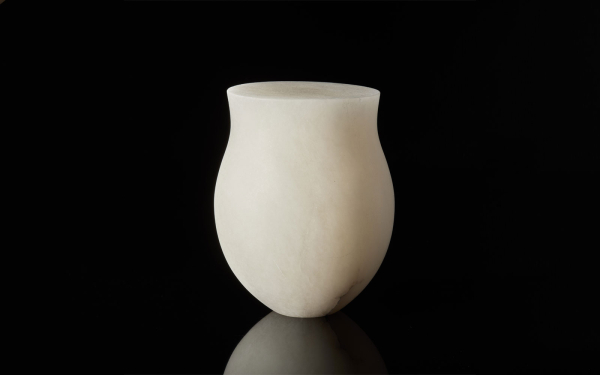
EVA LANGE
Estimate: SEK 20,000–25,000
Catalogue published
November 4
Viewing
November 6–16
Nybrogatan 32, Stockholm
Opening hours
Monday–Friday 10am–6pm
Saturday–Sunday 11am–4pm
Live auction
November 17
Nybrogatan 32, Stockholm
Contact
Lena Rydén
Director Fine Art

Johanna Lindholm Malm
Specialist, Team Lead Art Department
Swedish and international contemporary art
Currently
More on us